 EN
EN
 AR
AR
 BG
BG
 HR
HR
 CS
CS
 NL
NL
 FI
FI
 FR
FR
 DE
DE
 EL
EL
 IT
IT
 KO
KO
 NO
NO
 PL
PL
 PT
PT
 RO
RO
 RU
RU
 ES
ES
 SV
SV
 ID
ID
 LT
LT
 SR
SR
 UK
UK
 VI
VI
 HU
HU
 TH
TH
 TR
TR
 FA
FA
 MS
MS
 HY
HY
 AZ
AZ
 KA
KA
 BN
BN
 LO
LO
 LA
LA
 NE
NE
 MY
MY
 KK
KK
 KY
KY

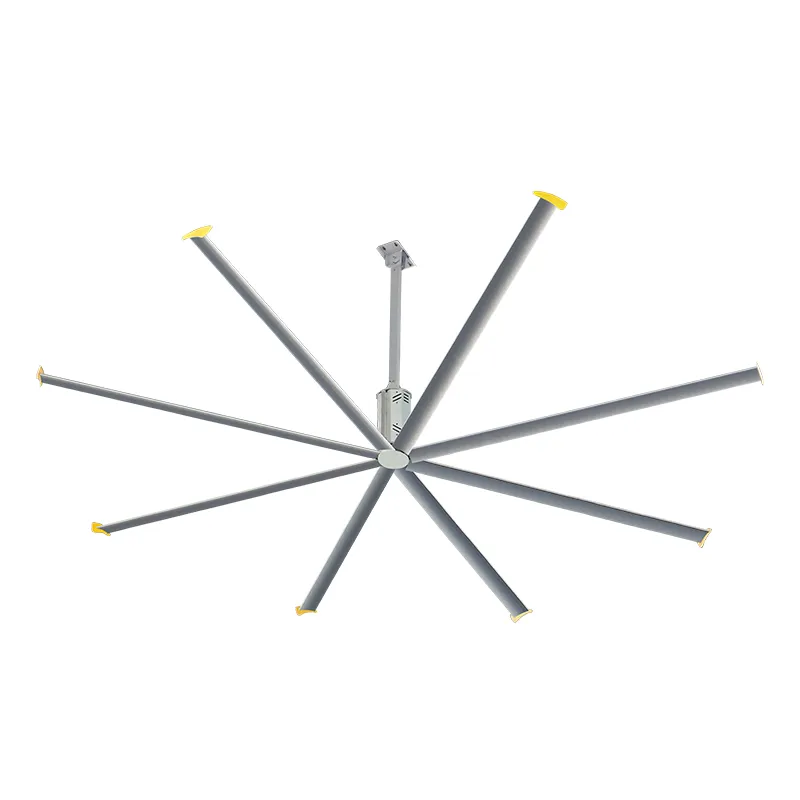
Understanding Barn Microclimates and Animal-Specific Airflow Needs
Target air speeds (200–400 ft/min) for heat abatement in cow resting and feeding zones
Getting rid of heat stress in cattle needs just the right amount of air moving around their bodies according to how cows actually function physiologically. Research from Penn State Extension indicates that rest areas work best when there's about 200 to 250 feet per minute of airflow going through them. That speed helps with evaporative cooling while still letting the animals lie down comfortably without being bothered. The feeding spots require faster air movement though, somewhere between 300 and 400 feet per minute, since cows generate extra body heat while digesting their feed. These specific speeds match up pretty well with how cows naturally lose moisture through sweating and can cut down on those sudden breathing rate increases by around 22% when temperatures really climb. Trying to blast air everywhere in the barn at once is a waste of electricity and might actually cause problems like making parts too cold or creating uncomfortable drafts. Better approach? Install those big High Volume, Low Speed fans we all know about and position them carefully so different areas get exactly what they need in terms of airflow speed.
How microenvironment variability (pen, stall, alley) dictates localized HVLS fan placement
The climate inside barns changes quite a bit depending on where you look. Pens packed with lots of animals present different air movement problems compared to stalls or alleyways. When dealing with crowded pens, fans need to overlap their coverage so they can reach through tight groups of cattle. Stalls are another story altogether. The airflow there should be angled just right to move past barriers without causing discomfort to the cows resting nearby. For those long narrow spaces between pens, what works best is airflow running lengthwise along the alleys. This helps push out excess moisture and nasty ammonia smells that build up over time. Getting this right matters for several reasons...
- Positioning fans perpendicular to feed bunks to maximize convective cooling during consumption
- Elevating units over freestalls only when clearance exceeds 10 ft–preventing disruptive downdrafts
- In 4-row barns, staggering fan placement to eliminate dead zones near cross-alleys
Field data demonstrates that microenvironment-optimized layouts reduce heat index differentials by up to 15°F between barn sections compared to uniform approaches.
HVLS Fan Physics and Structural Constraints: Ceiling Height, Spacing, and Installation Best Practices
Optimal Mounting Height and Minimum Clearance Requirements for Effective Destratification
Getting good results from HVLS fans really depends on how they're installed geometrically. Most industry guidelines suggest putting these big fans about 20 to 30 feet up from the ground for best results when it comes to mixing air layers, though some installations have worked at around 10 feet minimum. There needs to be enough space between the blades and the ceiling too – roughly a quarter of the fan's diameter is what experts look for. Take a standard 24 foot model for instance, it needs at least six feet clear above it so the air can flow properly without getting blocked. The support structures also need to handle twice what the fan weighs during operation, which typically ranges from 400 to 750 pounds depending on the model size. When installers skimp on clearance or use weak mounting hardware, efficiency drops dramatically sometimes losing up to half of what these systems are capable of, leaving valuable warmth trapped where animals hang out instead of circulating through the barn.
Fan-to-Fan Spacing Guidelines Based on Diameter and Barn Layout to Prevent Airflow Interference
Proper spacing between fans keeps airstreams from colliding and maintains good airflow where animals actually need it. As a general rule, fans need to sit at least three times their own size apart. So if we're talking about those big 24 foot models, they should be about 72 feet apart. They also need space from walls too, roughly half again their diameter distance away. That means keeping them 36 feet back from walls helps prevent turbulence when air bounces off surfaces. When dealing with barns that aren't perfectly square, arranging fans diagonally across the building works wonders for getting fresh air around obstacles such as feed alleys. What happens when coverage areas overlap? The air just slows down significantly, maybe even cutting velocity by up to half in spots where livestock rest. This defeats the whole purpose of cooling systems during hot weather. Big barn operations tend to get the most benefit from placing fans in a circular pattern around feeding areas. Smaller spaces usually handle things better with just one row of fans running parallel to the pens instead.
Matching HVLS Fan Configuration to Barn Design and Livestock Operations
How animal type, stocking density, and thermal load influence HVLS fan sizing and count
The right setup for HVLS fans depends on several factors including what animals are in the barn, how many there are, and how much heat they generate. Dairy cows actually need stronger airflow compared to chickens or pigs, somewhere around 200 to 400 feet per minute. This affects what size fans we install and how big those blades should be. When too many animals crowd a space, things get hotter fast. A typical barn with over 100 milk-producing cows creates tons of body heat, so most operations end up needing bigger fans, maybe 24 to 30 feet across, or sometimes even multiple smaller ones to cover all areas properly. The overall heat level also gets worse when it's already hot outside or when working animals produce extra warmth. Farmers in southern climates or those raising high producing herds usually find themselves going with bigger equipment or adding extra fans. Studies show that getting these calculations wrong can lead to about 15 to 20% more cases of heat stress among animals, which is why proper planning based on actual farm conditions matters so much for both animal health and productivity.
Measuring HVLS Fan Impact: Energy Efficiency, Humidity Control, and Animal Productivity Outcomes
Field evidence linking strategic HVLS fan placement to reduced heat stress and improved milk yield
Strategic HVLS fan placement delivers measurable improvements in animal welfare and productivity. When airflow targets (200–400 ft/min) are consistently achieved over resting and feeding zones:
- Milk yield increases by 10–25% during summer months (University of Arizona, 2022)
- Respiration rates drop by 30% within 48 hours of commissioning
- Relative humidity falls by up to 20%, inhibiting moisture-dependent pathogen proliferation
- Mortality rates decline by 4–7% in heat-vulnerable herds
The results come down to how air moves around based on physical principles. When mounted correctly, these systems can fully mix the air throughout the space, keeping temperatures pretty consistent within about 2 degrees Fahrenheit across where animals live. This helps get rid of those hot or cold spots that make animals eat less and weaken their ability to fight off sickness. Looking at the numbers, industrial high volume low speed fans actually save money on energy bills too. They run for about an hour at less than 1.5 kilowatts and cut down traditional cooling expenses by somewhere between a third and half depending on conditions. Makes sense when thinking about both comfort and cost savings in livestock operations.
Table of Contents
- Understanding Barn Microclimates and Animal-Specific Airflow Needs
- HVLS Fan Physics and Structural Constraints: Ceiling Height, Spacing, and Installation Best Practices
- Matching HVLS Fan Configuration to Barn Design and Livestock Operations
- Measuring HVLS Fan Impact: Energy Efficiency, Humidity Control, and Animal Productivity Outcomes
 ONLINE