 EN
EN
 AR
AR
 BG
BG
 HR
HR
 CS
CS
 NL
NL
 FI
FI
 FR
FR
 DE
DE
 EL
EL
 IT
IT
 KO
KO
 NO
NO
 PL
PL
 PT
PT
 RO
RO
 RU
RU
 ES
ES
 SV
SV
 ID
ID
 LT
LT
 SR
SR
 UK
UK
 VI
VI
 HU
HU
 TH
TH
 TR
TR
 FA
FA
 MS
MS
 HY
HY
 AZ
AZ
 KA
KA
 BN
BN
 LO
LO
 LA
LA
 NE
NE
 MY
MY
 KK
KK
 KY
KY

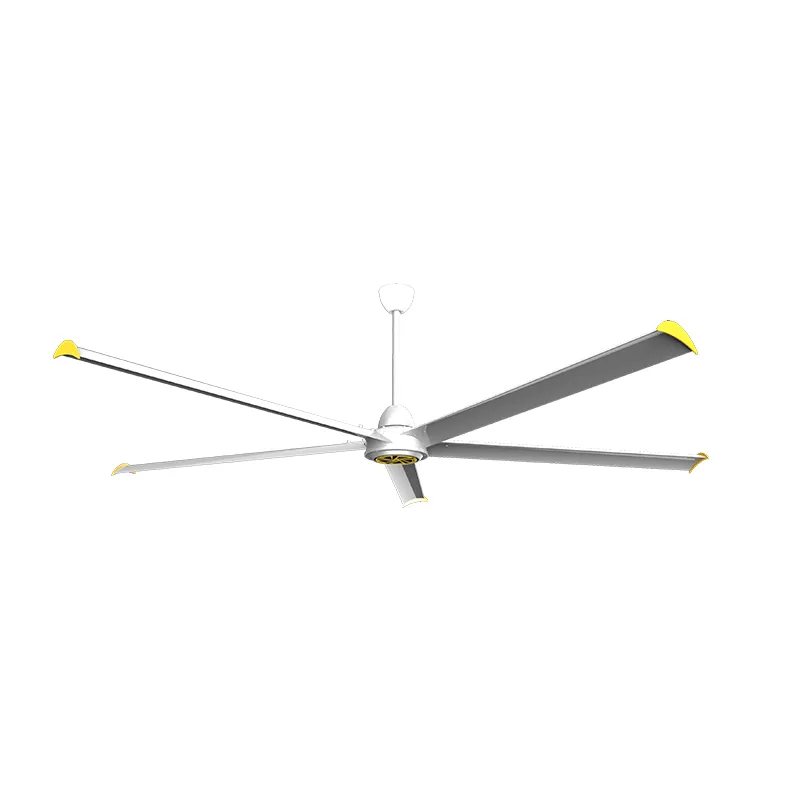
How Big Fans Mitigate Core Industrial Hazards
Neutralizing Metalworking Fumes and Coating Vapors
When working with metals and applying coatings, shops tend to put out dangerous stuff into the air, including those nasty hexavalent chromium particles and all sorts of volatile organic compounds (VOCs). If there isn't enough fresh air moving through the space, these harmful substances just hang around near where people are working, which puts their lungs at risk and can lead to serious health problems down the road. Big industrial fans help solve this problem by creating constant airflow that pushes those bad fumes upwards toward the ceiling exhaust systems. This movement keeps toxic clouds from forming right where workers breathe, something really important when doing risky jobs like grinding titanium or painting motorcycle frames. The better air circulation actually brings down VOC levels below what OSHA considers safe for workers, cutting back on immediate issues like feeling dizzy and helping prevent longer term problems such as damage to internal organs. Shops that implement proper ventilation often notice cleaner air inside and fewer employees calling in sick because of work-related illnesses.
Reducing Combustible Dust Accumulation During Machining
The machining process, particularly when making motorcycle components, creates flammable metal dust from materials like aluminum and magnesium. These fine particles floating around the workshop pose serious risks if they land on surfaces or equipment. A simple spark from polishing tools can ignite these dust clouds and lead to devastating explosions. Large industrial fans help mitigate this danger by creating steady airflow throughout the workspace. The constant movement keeps dust particles airborne until they get caught in the filtration system before settling anywhere. Getting rid of those dead spots where air doesn't circulate properly above CNC machines and along production lines stops dust buildup on overhead structures, machine covers, and electrical boxes. This is exactly what OSHA looks for in their Combustible Dust National Emphasis Program inspections. Shops that strategically position these fans report seeing dust layers thin out by almost two thirds in risky areas, plus workers spend 40% less time manually cleaning up after shifts.
Big Fans and Thermal Safety in High-Heat Production Zones
Targeted Cooling at Welding, Forging, and Paint-Baking Stations
The temperatures involved in industrial settings are seriously high. Welding arcs can hit over 10,000 degrees Fahrenheit while forging operations typically run around 2,000 degrees, and those paint curing ovens stay above 400 degrees creating real hotspots on the factory floor. That's where those large high volume low speed fans come into play. These big fans move air specifically where it's needed most, keeping workers comfortable without messing up delicate operations such as electrostatic painting jobs or robotic welds that require exact conditions. Research into workplace ergonomics shows something interesting too. When proper airflow follows the guidelines set out by ASHRAE 55 and moves across forging workstations, workers report about 30 percent less discomfort from the heat. Better cooling means clearer thinking, fewer mistakes caused by overheating, and PPE gear actually works as intended instead of becoming just another layer to sweat through during production runs.
HVLS Big Fan Deployment Correlates with 23% Fewer Heat-Related Incidents (OSHA 2023)
According to OSHA's latest report from 2023, manufacturing plants that install those large HVLS fans properly see about 23% fewer heat exhaustion incidents each year. Why does this happen? Well, there are actually two main reasons behind it. First, when air moves faster than 1 meter per second, sweat evaporates off workers much quicker. Second, these fans help cool down areas near hot machinery too, sometimes dropping temperatures between 8 to 12 degrees Fahrenheit. And this matters a lot for worker safety. When someone's body temp hits 102 degrees, their brain starts to fog up pretty bad, making mistakes more likely. Keeping the air moving consistently throughout the facility isn't just about comfort either. Regular maintenance checks on fan balance and motor settings make sure these benefits last through all shifts and weather changes, which ultimately saves money while protecting employees' health over time.
Secondary Safety Benefits of Big Fan–Driven Environmental Control
Condensation Reduction to Prevent Slip Hazards and Electrical Risks
Large industrial fans cut down on condensation buildup, which remains a major problem for facilities dealing with moisture sensitive processes or those experiencing big temperature changes between day and night. When these fans keep air moving consistently around the space, they stop water from collecting on factory floors, walkways, and machine surfaces. This helps prevent slips and falls that cause about 15% of all injuries in manufacturing plants according to BLS stats from last year. The same good airflow also fights against corrosion issues caused by condensation forming on electrical panels, junction boxes, and conduits. Facilities using this approach see roughly 40% fewer short circuits based on OSHA reports from 2023. Beyond just keeping workers safe, proper ventilation actually makes equipment last longer too. Moisture builds up over time and breaks down insulation while causing metal contacts to oxidize faster than normal. Plants that have worked out their airflow systems tend to run smoother during bad weather conditions, especially noticeable in cold storage areas and washdown sections where dampness always seems to hang around no matter what.
Big Fan Selection Criteria: Balancing Air Movement, Coverage, and Worker Safety
Choosing the correct large fan system for motorcycle part production involves getting three key elements right together: how much air moves through the space, where that air actually reaches, and what kind of safety protections come built in. Start by figuring out actual airflow needs (measured in CFM) looking at things like how many welding arcs are active at once, how much heat comes off ovens, and what kind of heat machines generate throughout the day—not just measuring floor space. Fans that aren't big enough create dangerous pockets of heat or contamination buildup. On the flip side, installing fans that are too powerful wastes electricity and can mess with delicate manufacturing processes. When it comes to size, make sure the fan dimensions fit the available space. Anything bigger than 24 feet across typically needs at least 20 feet of headroom plus special mounting to prevent vibrations from spreading or bumping into anything else. Safety should be front of mind too. Look for fans with certified protective guards around them, hardware that stands up to chemicals if needed, and noise levels below 65 decibels so workers can still hear important alarms and spoken instructions. Switching to energy efficient EC motors saves about 30% on running costs compared to older AC versions while allowing better control over fan speeds. Plants that follow this approach report roughly 19% fewer environmental risks according to recent studies in occupational health journals.
 ONLINE