 EN
EN
 AR
AR
 BG
BG
 HR
HR
 CS
CS
 NL
NL
 FI
FI
 FR
FR
 DE
DE
 EL
EL
 IT
IT
 KO
KO
 NO
NO
 PL
PL
 PT
PT
 RO
RO
 RU
RU
 ES
ES
 SV
SV
 ID
ID
 LT
LT
 SR
SR
 UK
UK
 VI
VI
 HU
HU
 TH
TH
 TR
TR
 FA
FA
 MS
MS
 HY
HY
 AZ
AZ
 KA
KA
 BN
BN
 LO
LO
 LA
LA
 NE
NE
 MY
MY
 KK
KK
 KY
KY

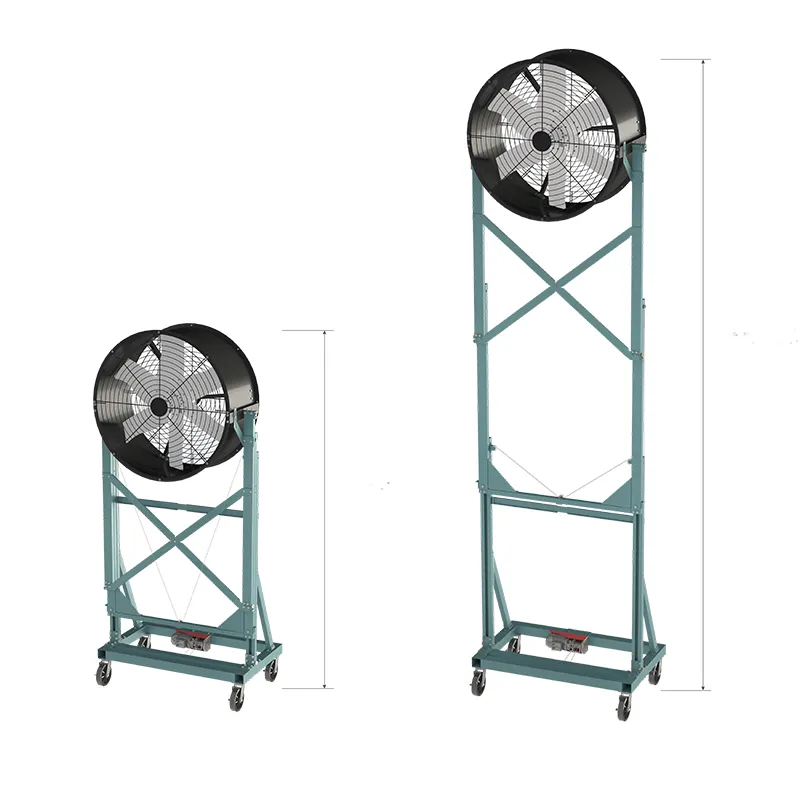
The Science Behind HVLS Fan Air Circulation in Industrial Spaces
Thermal Stratification and Stagnant Air in High-Ceiling Factories
Heat tends to rise and collect near the ceiling in those big industrial spaces with high ceilings, which is called thermal stratification by experts. What happens is pretty straightforward actually we get these different temperature layers forming. The hot stuff gets stuck up there near the rafters sometimes as much as 20 degrees warmer than what's down at ground level, while the colder air just sits around the floor area without moving much. When nothing gets done about this situation, the heating and cooling systems end up working way harder than they need to because they're only trying to manage that lower space where people actually are. Meanwhile workers down below deal with drafts and discomfort throughout their shifts. These dead spots in airflow let moisture build up along with all sorts of tiny particles floating around in the air, which isn't good for anyone's health or safety in the long run.
How HVLS Fans Generate Gentle, Wide-Diameter Airflow for Uniform Circulation
High Volume Low Speed fans tackle temperature layering issues by pushing large amounts of air around at very slow rotation rates between roughly 40 and 125 revolutions per minute. These big blades measuring anywhere from eight to twenty four feet across use special wing shaped designs similar to airplane wings to create a tall column of air that drops down and then fans out across the floor space. What we get is a soft steady breeze that stays below one meter per second which fits nicely within what OSHA considers comfortable for workers. Because the blades turn so slowly there's no annoying turbulence created, plus this setup actually accomplishes three main things for facility managers looking to improve indoor climate conditions.
- Continuous destratification by disrupting thermal layers
- Complete air turnover every 3–5 minutes
- Up to 30% HVAC energy savings through temperature homogenization
HVLS Fan Destratification: Energy Savings Across Seasons
Winter: Recirculating Warm Air from Ceilings to Floor Level
In winter, warm air tends to get stuck up near the ceiling because of thermal layering effects, sometimes leaving a temperature gap of over 20 degrees Fahrenheit between what's hanging from the rafters and what people actually feel at ground level. When this happens, heating systems end up working harder than necessary, which obviously eats into energy budgets. High volume low speed (HVLS) fans tackle this problem by slowly moving the trapped heat back down toward where folks are sitting or standing. These massive diameter blades create gentle circulation patterns that make spaces feel consistently comfortable throughout. Most buildings find they can turn their thermostats down about 3 to 5 degrees during cold weather without anyone noticing the difference, resulting in annual savings of roughly 20% to 30% on heating bills. Running at only 1 to 2 revolutions per minute, these industrial fans distribute warmth evenly across large areas without causing annoying drafts or interrupting daily operations in any way.
Summer: Enhancing Evaporative Cooling and HVAC Efficiency
During hot weather months, HVLS fans work wonders for cooling spaces by creating that nice wind chill effect and making HVAC systems run better overall. These big fans push around so much air that people actually feel about 8 to 10 degrees cooler than the real temperature, which means we can set our thermostats higher without sacrificing comfort. What's really neat is how they mix the air throughout the space constantly. This gets rid of those annoying hot spots near windows or under lights while helping the HVAC spread cooled air evenly across the whole area. The result? Less time the compressor has to work hard, saving on energy costs by roughly 30% in many cases. Pair these fans with evaporative coolers and something interesting happens too. The combination makes water evaporate faster by about 40%, giving us extra cooling power without turning the workshop or factory into a damp environment nobody wants to work in.
HVLS Fan Impact on Worker Comfort, Safety, and Air Quality
OSHA-Compliant Air Velocity and Thermal Comfort in Manufacturing Zones
HVLS fans keep air moving at speeds recommended by OSHA standards between 0.5 and 1.5 meters per second throughout work areas. This helps workers stay cool through evaporation during hot months while keeping floors warm enough in colder weather. When air moves consistently like this, it cuts down on heat stress dangers and stops those annoying cold pockets from forming around the workplace. Both safer conditions and better productivity result from this approach. Studies have found that when employees feel more comfortable thermally and breathe better air, their output typically goes up about 4.2% for every measurable improvement made. On the flip side, if temperatures get too high, productivity can drop as much as 25%. These big ceiling fans also tackle what's called air stratification, where warm air gets stuck near the ceiling. Getting rid of this issue means companies comply with regulations, improve employee satisfaction, and save money on heating and cooling costs by reducing energy consumption by around 30% each year.
Limitations and Realistic Expectations: Contaminant Dilution vs. Filtration
HVLS fans help with air quality mainly by spreading out stuff in the air, which lowers how much dust, fumes, or moisture builds up in one spot. But these fans don't actually catch or filter anything from the air. Since they just move air around instead of taking particles out, they won't stop really tiny dangers like welding fumes or chemical vapors. Places that deal with dangerous particles need to combine HVLS fans with proper filtration systems such as HEPA filters or set up local exhaust ventilation. Using both approaches together keeps contaminant levels below what NIOSH considers safe for workers. Plus it maintains all the good things about HVLS fans when it comes to airflow and saving energy costs.
 ONLINE