 EN
EN
 AR
AR
 BG
BG
 HR
HR
 CS
CS
 NL
NL
 FI
FI
 FR
FR
 DE
DE
 EL
EL
 IT
IT
 KO
KO
 NO
NO
 PL
PL
 PT
PT
 RO
RO
 RU
RU
 ES
ES
 SV
SV
 ID
ID
 LT
LT
 SR
SR
 UK
UK
 VI
VI
 HU
HU
 TH
TH
 TR
TR
 FA
FA
 MS
MS
 HY
HY
 AZ
AZ
 KA
KA
 BN
BN
 LO
LO
 LA
LA
 NE
NE
 MY
MY
 KK
KK
 KY
KY

এইচভিএলএস ফ্যানের পদার্থবিদ্যা: কীভাবে কম গতির, উচ্চ-আয়তনের বাতাসের প্রবাহ গুদামের বাতাসের সঞ্চালনকে চালিত করে
অ্যারোডাইনামিক নীতি: বৃহৎ ব্যাসের ব্লেড এবং ল্যামিনার বাতাসের গতি
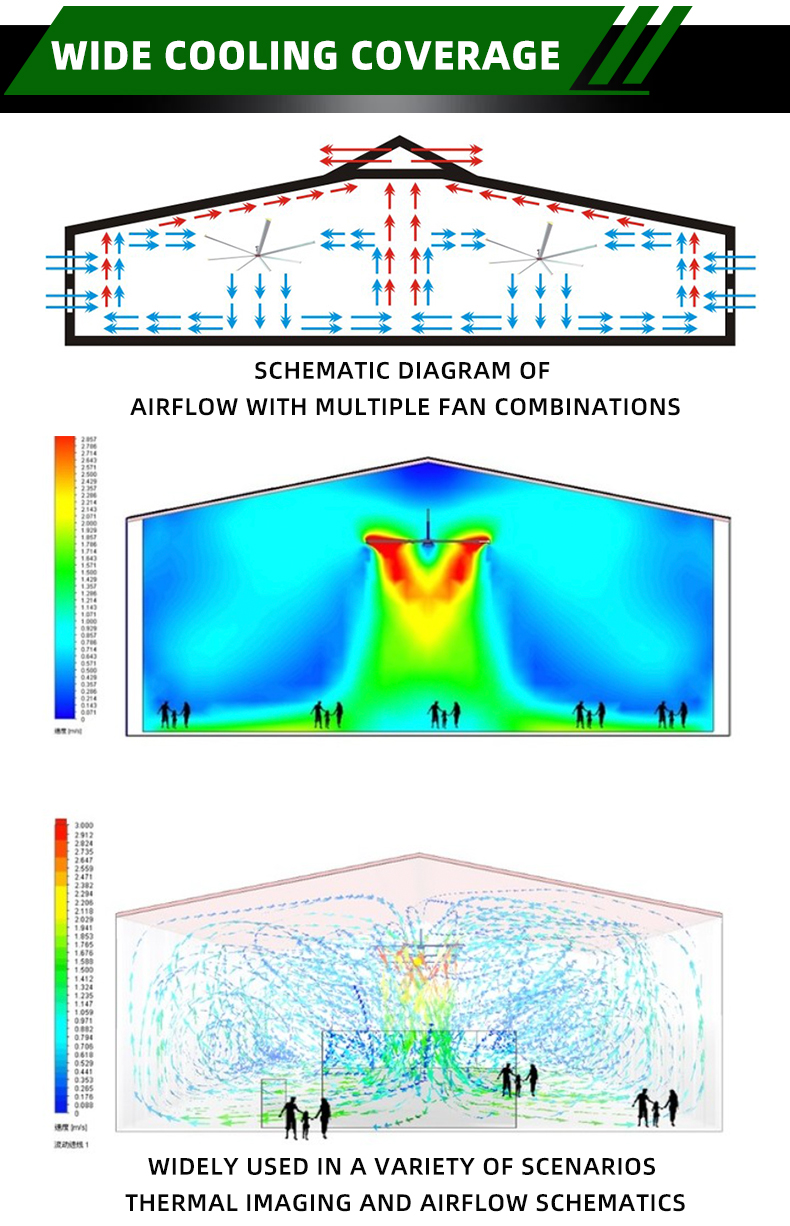
উচ্চ-পরিমাণ, নিম্ন-গতি (HVLS) ফ্যানগুলি ৭–২৪ ফুট ব্যাসের ব্লেড ব্যবহার করে মাত্র ৭১–২০০ আরপিএম-এ বিশাল আকারের বাতাসের পরিমাণ সরায়। এদের অতিরিক্ত বড় ব্যাস দক্ষ ল্যামিনার বাতাসের প্রবাহ সম্ভব করে—একটি মসৃণ, স্তম্ভাকার প্রবাহ যা গুদামের মেঝে বরাবর অনুভূমিকভাবে চলে এবং বিঘ্নিত টার্বুলেন্স সৃষ্টি করে না। এই ডিজাইনটি বিমান চালনা-অনুপ্রাণিত এয়ারফয়েল নীতি প্রয়োগ করে প্রতি আবর্তনে সাধারণ ফ্যানের তুলনায় ১৫–৩০% বেশি বাতাস ধরে রাখে। ন্যূনতম আবর্তনজনিত ঘর্ষণ শক্তি দক্ষতা বজায় রাখে (১.৫ কিলোওয়াটের নিচে) এবং নীরব কার্যক্রম (৬০ ডেসিবেলের নিচে) নিশ্চিত করে। ফলস্বরূপ সুসংগত বাতাসের প্রবাহ প্রতি ইউনিটে ১৫,০০০+ বর্গফুট এলাকায় স্থির বাতাসের অঞ্চলগুলি দূর করে—উচ্চ ছাদযুক্ত পরিবেশে তাপমাত্রা স্তরীকরণ কার্যকরভাবে প্রতিরোধ করে।
মৌসুমি ডুয়াল-মোড অপারেশন: শীতকালে স্তরীকরণ দূরীকরণ, গ্রীষ্মকালে বাষ্পীভবন শীতলীকরণ
শীতকালে, ঘড়ির কাঁটার দিকে ঘূর্ণন ছাদের আটকে থাকা তাপকে নিচের দিকে ঠেলে দেয়, যা উল্লম্ব তাপমাত্রার পার্থক্য ৮°F পর্যন্ত কমিয়ে দেয়—এটি ASHRAE (2022) দ্বারা যাচাইকৃত একটি কার্যকারিতার মানদণ্ড। এই স্তরবিন্যাস হ্রাস ২৫ ফুটের বেশি ফাঁকা স্থানযুক্ত স্থাপনাগুলিতে গরম করার খরচ ২০-৩০% কমিয়ে দেয়। গ্রীষ্মকালে, ঘড়ির কাঁটার বিপরীত দিকে চালনা প্রতি ঘণ্টায় ২-৪ মাইল বেগে ধারাবাহিক বায়ুপ্রবাহ সরবরাহ করে, যা বাষ্পীয় শীতলীকরণকে উন্নত করে এবং থার্মোস্ট্যাট সামঞ্জস্য করা ছাড়াই ৬-৮°F অনুভূত তাপমাত্রা হ্রাস ঘটায়। এনার্জি লজিক (2023) অনুসারে, দ্বৈত-মোড ব্যবহার স্থাপনার সামগ্রিক শক্তি ব্যয় ২৫% কমিয়ে দেয় এবং একই সাথে সংবেদনশীল সংরক্ষণ এলাকাগুলিতে ঘনীভবনের ঝুঁকিও হ্রাস করে।
তাপীয় বিষমতা হ্রাস: উচ্চ-বে গুদামগুলিতে পরিমাপযোগ্য তাপ পুনর্বণ্টন
ডেল্টা-টি হ্রাস: ছাদ থেকে মেঝে পর্যন্ত তাপমাত্রা সমতা সর্বোচ্চ ৮°ফা.
উচ্চ-বে গুদামগুলিতে তাপীয় স্তরীকরণ ছাদ থেকে মেঝে পর্যন্ত তাপমাত্রার পার্থক্য ১৫°F-এর বেশি তৈরি করতে পারে। HVLS ফ্যানগুলি এই সমস্যার বিরুদ্ধে কাজ করে একটি স্তম্ভাকার বায়ুপ্রবাহ তৈরি করে, যা ধীরে ধীরে উষ্ণ বায়ুকে নীচের দিকে ঠেলে দেয় এবং শীতল বায়ুকে উপরের দিকে টেনে আনে, ফলে অবিরাম মিশ্রণ ঘটে। নথিভুক্ত ΔT হ্রাস যা সর্বোচ্চ ৮°F (ASHRAE জার্নাল, ২০২৩) পর্যন্ত হতে পারে, এই স্তরীভূত সঞ্চালনের কার্যকারিতা নিশ্চিত করে—যা কর্মীদের জন্য সুস্থির তাপীয় আরাম প্রদান করে এবং শীতকালে তাপীয় শক্তি ব্যবহারে পরিমাপযোগ্য সাশ্রয় নিশ্চিত করে।
সীমাবদ্ধতা এবং প্রতিরোধক ব্যবস্থা: ছাদের উচ্চতা, বাধা এবং বায়ুপ্রবাহ পথের অখণ্ডতা
কার্যকারিতা পরিবেশগত উৎসগুলির উপর নির্ভরশীল। ১৮ ফুটের কম উচ্চতার ছাদে ব্লেড ক্লিয়ারেন্স অপর্যাপ্ত হওয়ায় টার্বুলেন্ট ওভারস্পিলের ঝুঁকি থাকে; ৪০ ফুটের বেশি উচ্চতার ছাদে বায়ুপ্রবাহ বেগ বজায় রাখতে অতিরিক্ত ইউনিটের প্রয়োজন হতে পারে। ঘন র্যাকিং বা যন্ত্রপাতির মতো ৩০% এর বেশি মেঝে ক্ষেত্রফল আচ্ছাদিত করে এমন বাধা তাপমাত্রা সমতুল্যতা প্রায় ৫০% পর্যন্ত হ্রাস করতে পারে। প্রতিরোধক ব্যবস্থাগুলির মধ্যে রয়েছে:
- মাউন্টিং সামঞ্জস্য প্রধান বাধা অতিক্রম করার জন্য ফ্যানগুলিকে ৩–৫° কোণে ঝুঁকানো হয়
- অঞ্চলভিত্তিক সম্পূরক বায়ু সরবরাহ সংকীর্ণ কার্যক্ষেত্রে অক্ষীয় ফ্যান যোগ করা হয়
-
পথ অপ্টিমাইজেশন ফ্যান স্থাপনকে প্রাকৃতিক কনভেকশন প্রবাহের সঙ্গে সমান্তরাল করা হয়
তাপীয় অ্যানিমোমিটার-ভিত্তিক বায়ুপ্রবাহ ম্যাপিং কভারেজের অখণ্ডতা যাচাই করে এবং নির্ভরযোগ্য ডিস্ট্র্যাটিফিকেশন চক্র নিশ্চিত করে।
এইচভিএলএস ফ্যান এবং শক্তি দক্ষতা: সমরূপ বায়ু সঞ্চালনের মাধ্যমে এইচভিএসি লোড কমানো
এইচভিএলএস ফ্যানগুলি তাপীয় স্তরীকরণ—অর্থাৎ ছাদের কাছাকাছি উষ্ণ বাতাস এবং মেঝের কাছাকাছি শীতল বাতাসের প্রাকৃতিক স্তরীকরণ—দূর করে এইচভিএসি শক্তির চাহিদা উল্লেখযোগ্যভাবে কমায়। বাতাসের স্তরগুলিকে অবিরাম মিশ্রণ করে এগুলি তাপমাত্রা সমতা অর্জন করে, যা শীতকালে তাপ উৎপাদনের চাহিদা ৩০% পর্যন্ত কমায় এবং গ্রীষ্মকালে থার্মোস্ট্যাট সেটিংস পরিবর্তন না করেই ৬–৮°ফারেনহাইট প্রত্যক্ষ শীতলীকরণ প্রভাব সৃষ্টি করে। মার্কিন যুক্তরাষ্ট্রের শক্তি বিভাগের গবেষণা অনুযায়ী, সঠিকভাবে বাস্তবায়িত সিস্টেমগুলিতে ২০–৫০% এইচভিএসি শক্তি সাশ্রয় সম্ভব। কার্যক্রমগতভাবে, একটি ২৪-ফুট এইচভিএলএস ফ্যান ঘন্টায় মাত্র ১.১ কিলোওয়াট/ঘন্টা শক্তি ব্যবহার করে—যা ১০–২০টি উচ্চ-গতির ফ্যানের পরিবর্তে ব্যবহার করা যায় এবং বৈদ্যুতিক লোড ৮০% এর বেশি কমিয়ে দেয়। এইচভিএসি চালানোর সময়কাল এবং ফ্যান শক্তি ব্যবহার—উভয়ের এই দ্বৈত হ্রাসের ফলে সাধারণত ১–৩ বছরের মধ্যে বিনিয়োগের পুনরুদ্ধার (আরওআই) ঘটে।
গুদাম-বিশেষ এইচভিএলএস ফ্যান অপ্টিমাইজেশন: আকার নির্ধারণ, স্থাপন এবং সিস্টেম একীকরণ
ব্যাস-থেকে-পরিষ্কার দূরত্ব নির্দেশিকা: ২০–৬০ ফুট ছাদের উচ্চতার সাথে এইচভিএলএস ফ্যানের আকার মিলিয়ে নেওয়া
ফ্যানের ব্যাস সিলিংয়ের উচ্চতার সাথে সমান্তরাল হতে হবে, যাতে কার্যকরী ডাউনওয়াশ এবং ল্যামিনার প্রবাহ নিশ্চিত করা যায়। ২০–৩০ ফুট উচ্চতার সিলিংয়ের জন্য ৮–১২ ফুট ব্যাসের ইউনিটগুলি ফ্লোর-লেভেলে বাতাসের সরবরাহের জন্য অপ্টিমাল প্রদান করে। ৩০–৫০ ফুট উচ্চতার সুযোগ-সুবিধা বিশিষ্ট সুবিধাগুলিতে তাপীয় প্রতিরোধের ওপর কাবু পাওয়ার জন্য ১৪–২০ ফুট ব্যাসের ফ্যান প্রয়োজন, অন্যদিকে ৫০–৬০ ফুট উচ্চতার স্থানগুলিতে ঘন তাপ স্তরগুলিকে ভেদ করার জন্য ২৪+ ফুট মডেলগুলি সবচেয়ে উপযুক্ত। ব্লেডের নিরাপত্তা এবং বাতাসের প্রবাহের অখণ্ডতা বজায় রাখতে আলোকসজ্জা, ডাক্টওয়ার্ক এবং স্প্রিঙ্কলার সিস্টেমসহ কাঠামোগত উপাদানগুলি থেকে ন্যূনতম ৩–৫ ফুট দূরত্ব বজায় রাখুন।
টার্বুলেন্স-মুক্ত, ওভারল্যাপিং কভারেজ প্যাটার্নের জন্য কৌশলগত স্পেসিং এবং মাউন্টিং
বহু-ফ্যান ইনস্টলেশনের ক্ষেত্রে, সিমলেস ও ওভারল্যাপিং কভারেজ তৈরি করতে ফ্যানগুলিকে পরস্পর থেকে ১.৫–২ ফ্যান ব্যাস দূরে স্থাপন করুন—যা ডেড জোনগুলি দূর করে এবং সঞ্চালনের সমরূপতা সর্বাধিক করে। মাউন্টগুলিকে ৩–৭° কোণে ঝুকিয়ে অনুভূমিক বাতাসের প্রসারণ বৃদ্ধি করা হয়, যখন র্যাকিং বা যন্ত্রপাতির কাছাকাছি টার্বুলেন্স কমিয়ে আনা হয়। কর্মীদের নিরাপত্তা নিশ্চিত করতে এবং বাতাসের প্রবাহ অবিচ্ছিন্ন রাখতে কাজের অঞ্চলের উপরে ৭–১০ ফুট উলম্ব পরিষ্কার জায়গা বজায় রাখুন। এই কনফিগারেশনটি সুস্থির তাপমাত্রা সমানকরণ বজায় রাখে এবং এটি বার্ষিক HVAC রানটাইম ৩০% কমাতে সক্ষম বলে প্রমাণিত হয়েছে।
প্রায়শই জিজ্ঞাসিত প্রশ্নাবলী
HVLS ফ্যানগুলি কী?
HVLS ফ্যানগুলি হল হাই-ভলিউম, লো-স্পিড ফ্যান, যা বড় ও ধীরগতির ব্লেড ব্যবহার করে গুদামের মতো বৃহৎ স্থানগুলিতে বিশাল পরিমাণ বাতাস সঞ্চালন করে।
HVLS ফ্যানগুলি শক্তি দক্ষতার ক্ষেত্রে কীভাবে সহায়তা করে?
HVLS ফ্যানগুলি তাপমাত্রা সমানকরণের মাধ্যমে HVAC চাহিদা কমিয়ে শক্তি দক্ষতা বৃদ্ধি করে, যা তাপীকরণ ও শীতলীকরণের প্রয়োজনীয়তা হ্রাস করে।
HVLS ফ্যান স্থাপনের ক্ষেত্রে কী কী বিষয় বিবেচনা করা উচিত?
উচ্চ ভলিউম কম গতির (HVLS) ফ্যানগুলি স্থাপন করার সময় বায়ু পরিশোধন ও দক্ষতা নিশ্চিত করতে ছাদের উচ্চতা, সম্ভাব্য বাধা এবং ঘরের আকার বিবেচনা করুন।
কি HVLS ফ্যানগুলি গ্রীষ্মকাল ও শীতকাল উভয় সময়েই ব্যবহার করা যায়?
হ্যাঁ, HVLS ফ্যানগুলি ডুয়াল-মোডে কাজ করে: শীতকালে উষ্ণ বাতাসকে নীচের দিকে ঠেলে দেয় এবং গ্রীষ্মকালে বাষ্পীভবন শীতলীকরণ প্রদান করে।
বিষয়সূচি
- এইচভিএলএস ফ্যানের পদার্থবিদ্যা: কীভাবে কম গতির, উচ্চ-আয়তনের বাতাসের প্রবাহ গুদামের বাতাসের সঞ্চালনকে চালিত করে
- তাপীয় বিষমতা হ্রাস: উচ্চ-বে গুদামগুলিতে পরিমাপযোগ্য তাপ পুনর্বণ্টন
- এইচভিএলএস ফ্যান এবং শক্তি দক্ষতা: সমরূপ বায়ু সঞ্চালনের মাধ্যমে এইচভিএসি লোড কমানো
- গুদাম-বিশেষ এইচভিএলএস ফ্যান অপ্টিমাইজেশন: আকার নির্ধারণ, স্থাপন এবং সিস্টেম একীকরণ
- প্রায়শই জিজ্ঞাসিত প্রশ্নাবলী
 অনলাইন