 EN
EN
 AR
AR
 BG
BG
 HR
HR
 CS
CS
 NL
NL
 FI
FI
 FR
FR
 DE
DE
 EL
EL
 IT
IT
 KO
KO
 NO
NO
 PL
PL
 PT
PT
 RO
RO
 RU
RU
 ES
ES
 SV
SV
 ID
ID
 LT
LT
 SR
SR
 UK
UK
 VI
VI
 HU
HU
 TH
TH
 TR
TR
 FA
FA
 MS
MS
 HY
HY
 AZ
AZ
 KA
KA
 BN
BN
 LO
LO
 LA
LA
 NE
NE
 MY
MY
 KK
KK
 KY
KY

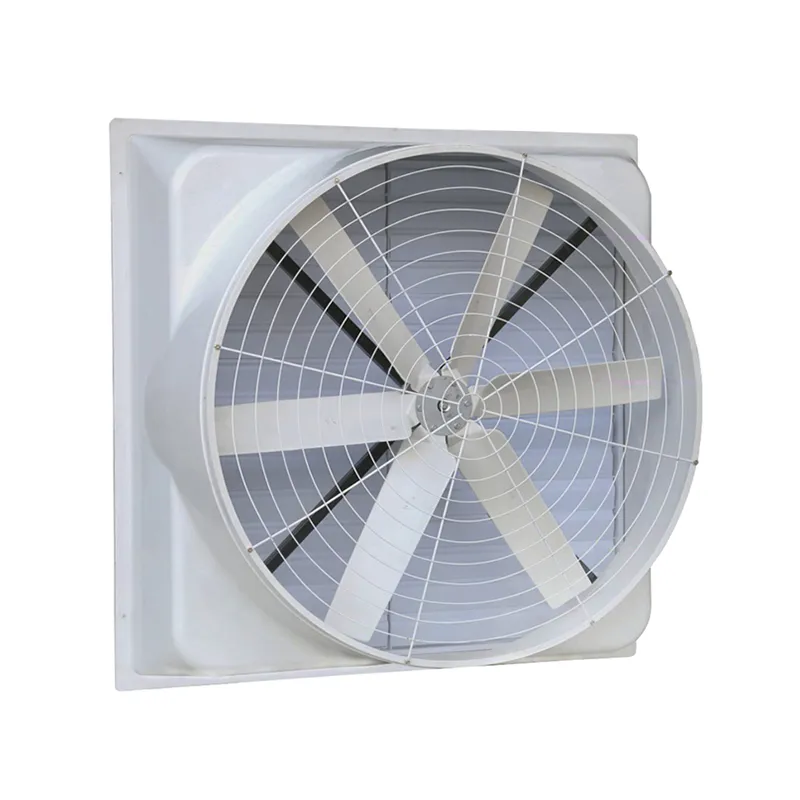
Destratification: How Ceiling Fans Equalize Temperature in High-Bay Warehouses
The physics of air destratification in logistics centers
When it comes to temperature management in large spaces, destratification works against what happens naturally with thermal stratification. Warm air tends to rise upwards towards the ceiling sometimes hitting temperatures over 85 degrees Fahrenheit while cooler air settles down near the floor around 75 degrees give or take. Big industrial ceiling fans combat this problem by pushing down warm air that gets stuck up high. The constant circulation they create blends these separate temperature layers together so the whole space feels more consistent. According to basic physics principles, each foot of height in a warehouse can lead to about half a degree to one full degree difference in temperature. Ceiling fans actually flip this natural convection process on its head, bringing those temperature differences down below two degrees throughout areas where people work and move around between ground level and six feet up. This means no more uncomfortable spots where it's either too hot or too cold for workers.
Field evidence: Thermal layer reduction across 30+ case studies
More than thirty studies across various distribution centers have shown that ceiling fans can cut down those pesky stratification layers by anywhere between sixty to eighty percent. Take a typical warehouse that's forty feet high - after installing these fans, we saw temperature differences between the floor and ceiling drop dramatically from fifteen degrees Fahrenheit down to just three degrees within a few weeks. What does this mean? Less work for the HVAC system since it doesn't need to compensate so much for hot spots anymore, resulting in energy savings ranging from ten to thirty percent according to most reports. Most impressive though is how ninety-two out of every hundred facilities noticed their humidity stayed much more stable, which helps prevent all sorts of problems like equipment rust caused by condensation. And let's not forget about cleaner air too. These fans actually lowered dust particles in monitored areas by around forty-one percent, making workplaces safer and healthier overall while staying compliant with OSHA standards.
Energy Efficiency and HVAC Load Reduction with Ceiling Fans
42–65% cooling energy savings vs. conventional HVAC (ASHRAE RP-1692)
In warehouses and distribution centers, ceiling fans cut down on HVAC energy usage quite a bit just by moving air around better. According to ASHRAE's research project number 1692, companies saw anywhere between 42 to 65 percent less cooling costs when they added large industrial fans to their existing AC systems. The reason this works so well is something called destratification. Basically, these big fans mix up the hot air that collects near the ceiling with the cooler air at ground level where people actually work. When temperatures become more even throughout the space, facility managers can bump up thermostat settings by about 4 to 8 degrees Fahrenheit without workers noticing any difference in comfort. This simple adjustment means the compressors don't have to run as often, which saves money on electricity bills month after month.
Fast ROI: Sub-2-year payback in Tier-1 distribution centers
The operational savings translate to rapid financial returns. Tier-1 distribution centers report ROI under 24 months due to reduced HVAC wear and lower kWh consumption. For example:
| Cost Factor | Without Fans | With Ceiling Fans | Reduction |
|---|---|---|---|
| Cooling Energy | $18,000/yr | $7,200/yr | 60% |
| HVAC Maintenance | $4,500/yr | $2,700/yr | 40% |
| Total Annual Savings | — | $12,600 | — |
Data reflects averages from logistics facilities exceeding 100,000 sq. ft.
Low-power motors (e.g., 200W for 24-ft fans) further amplify savings, as ceiling fans consume 98% less energy than equivalent-capacity HVAC systems.
Worker Comfort, Air Quality, and Ergonomic Benefits of Ceiling Fan Circulation
OSHA-aligned airflow velocity and its impact on alertness and productivity
OSHA guidelines recommend 0.3–0.5 m/s airflow velocity to maintain worker comfort in industrial settings. Strategic ceiling fan placement achieves this sweet spot by increasing convective heat dissipation by 15–20%, lowering perceived temperature by up to 4°C at floor level, and cutting relative humidity stagnation by 38% in high-bay zones.
Field studies show this airflow optimization directly impacts human factors:
| Metric | Improvement | Impact Duration |
|---|---|---|
| Task accuracy | +12.7% | > 4 hours |
| Reaction time | -18.3% | Entire shift |
| Fatigue-related incidents | -29% | Sustained |
Gentle, consistent air movement prevents CO2 accumulation near workstations and eliminates "dead zones" where contaminants concentrate. Workers report 31% fewer heat stress symptoms when industrial-grade fans maintain steady circulation—delivering measurable productivity gains without HVAC overloading.
Modern Ceiling Fan Technology: PMSM Motors, Aerodynamic Blades, and Smart Controls
PMSM vs. legacy PMDC: Efficiency, torque, and longevity at low RPM
Logistics warehouses are starting to switch to ceiling fans powered by Permanent Magnet Synchronous Motors (PMSM) because these motors beat older Permanent Magnet DC (PMDC) models in several important ways. The efficiency numbers tell the story best: PMSM motors convert around 90 to 95 percent of their input power into usable output, which beats PMDC motors by roughly 15 to 20 percentage points. What makes this really valuable is how well they handle torque at very low speeds, something crucial for keeping temperature levels stable in those tall storage areas where hot air tends to collect at the ceiling. Since PMSMs don't have brushes that wear out over time, they last much longer than traditional motors, often reaching over 100,000 hours of operation before needing any serious attention. Warehouse managers love this since it means fewer breakdowns and downtime costs. Compared to regular gear-driven options, PMSM motors run smoother without causing vibrations, making them compatible with modern smart systems that adjust airflow according to who's actually in the building and what the temperature readings show. Real world tests have shown these fans cut down on wasted energy by about 30 to 40 percent each year, which translates to faster payback periods for companies investing in new equipment. Plus, when paired with specially shaped blades designed for maximum airflow, these fans distribute cool air evenly throughout massive warehouse spaces without making much noise at all.
Table of Contents
- Destratification: How Ceiling Fans Equalize Temperature in High-Bay Warehouses
- Energy Efficiency and HVAC Load Reduction with Ceiling Fans
- Worker Comfort, Air Quality, and Ergonomic Benefits of Ceiling Fan Circulation
- Modern Ceiling Fan Technology: PMSM Motors, Aerodynamic Blades, and Smart Controls
 ONLINE