 EN
EN
 AR
AR
 BG
BG
 HR
HR
 CS
CS
 NL
NL
 FI
FI
 FR
FR
 DE
DE
 EL
EL
 IT
IT
 KO
KO
 NO
NO
 PL
PL
 PT
PT
 RO
RO
 RU
RU
 ES
ES
 SV
SV
 ID
ID
 LT
LT
 SR
SR
 UK
UK
 VI
VI
 HU
HU
 TH
TH
 TR
TR
 FA
FA
 MS
MS
 HY
HY
 AZ
AZ
 KA
KA
 BN
BN
 LO
LO
 LA
LA
 NE
NE
 MY
MY
 KK
KK
 KY
KY

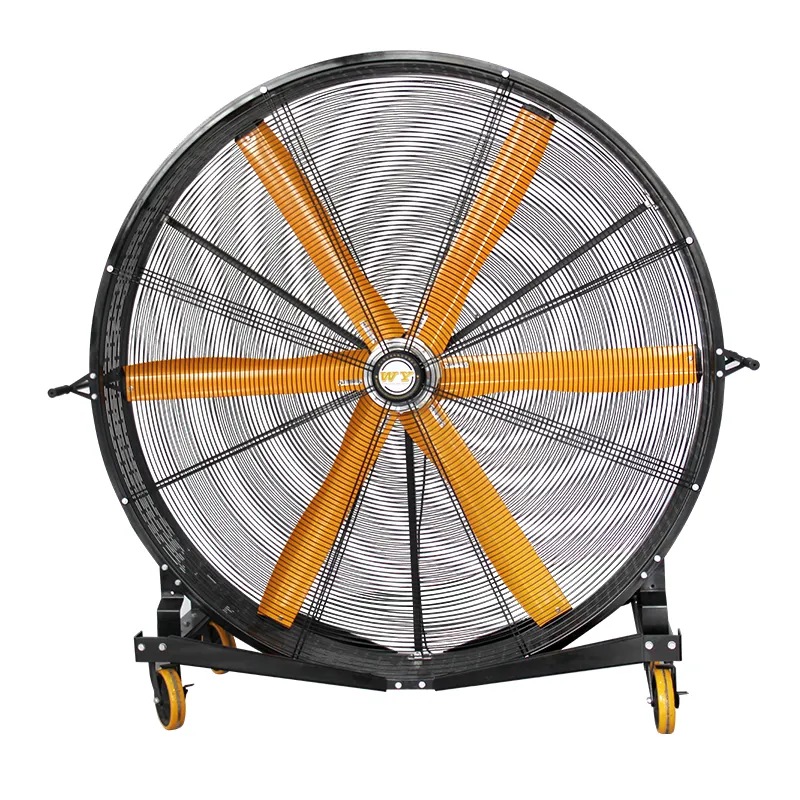
Industrial Manufacturing & Warehousing: Optimizing Airflow and Energy Efficiency with Pole Fans
HVLS Pole Fans for Temperature Regulation and Reduced HVAC Dependency
HVLS pole fans really change things for industrial spaces because they tackle those big problems we all know too well: hot spots near the ceiling and way too much money going down the drain on HVAC bills. These fans move a ton of air, like up to 200 thousand cubic feet per minute from just one unit, yet they run so quietly most people don't even notice them working. When these fans push air vertically through a space, they basically mix up those stubborn thermal layers that form between floors. The result? Temperature differences from floor to ceiling drop around 15 degrees Fahrenheit. That means companies can actually bump up their thermostats by 4 to 6 degrees without workers complaining about being cold. And guess what happens when thermostats go up? Cooling costs take a nosedive. Most warehouses spend somewhere between 40% and 60% of their power budget just keeping the place comfortable. Even small improvements here make a huge difference in the bottom line. Studies show these fans can reduce HVAC workload by 20% to 30% simply by getting better air circulation. The math checks out too: every single degree warmer setting saves roughly 3% on cooling expenses. At current industrial rates where electricity runs about ten cents per kilowatt hour, most businesses see their investment pay off within eighteen months or less. Plus, there's the added bonus of delaying expensive equipment replacements and extending the life of existing HVAC systems.
Case Study: 35% HVAC Load Reduction in an Automotive Parts Warehouse
A 120,000-sq-ft Midwest parts warehouse demonstrated pole fans’ operational impact. Pre-installation, summer floor temperatures reached 95°F amid 30°F stratification gradients—forcing HVAC systems to overwork. After deploying 18 HVLS pole fans in a cross-aisle configuration, the facility documented measurable improvements:
| Metric | Pre-Installation | Post-Installation | Change |
|---|---|---|---|
| Average HVAC runtime | 14 hours/day | 9 hours/day | -36% |
| Peak cooling costs | $11,200/month | $7,300/month | -35% |
| Temperature differential | 28°F | 7°F | -75% |
| Employee productivity | 78 units/hour | 89 units/hour | +14% |
The strategic placement created a consistent 2.5 mph breeze at worker level, enabling thermostat adjustments from 72°F to 76°F while maintaining perceived comfort. Annual energy and productivity gains exceeded $46,000—validating pole fans as force multipliers for HVAC efficiency in industrial logistics.
Agricultural Facilities: Enhancing Livestock Health and Crop Yield via Pole Fan Circulation
Pole Fan Applications in Poultry Farms, Dairy Barns, and Greenhouses
Pole fans provide direct airflow without needing ducts, making them ideal for many farming situations where better ventilation means healthier animals, better crops, and stronger operations overall. On chicken farms specifically, these fans help keep birds comfortable when temps rise by moving fresh air around at their level. This reduces problems with breathing caused by ammonia buildup and stops hot spots from forming. For dairy farmers, mounting fans in barns allows proper circulation above where cows rest and eat, so they stay cooler in summer months which matters a lot for keeping milk output steady. Greenhouses see real advantages too since the vertical airflow stops moisture from collecting in certain areas, cutting down on mold growth while ensuring plants get equal amounts of carbon dioxide throughout the growing space. Compared to traditional HVAC systems that need major rewiring, installing pole fans takes about 30 percent less time and doesn't involve messing with existing ductwork, something recent studies in agricultural engineering have confirmed.
Data Insight: 22% Lower Broiler Mortality with Strategic Pole Fan Placement
Getting pole fans in the right spot makes a big difference for keeping livestock alive and running operations efficiently. A recent poultry health study looked at 82 commercial broiler houses back in 2023 and found something interesting. Farms that put cross aisle fans at bird level saw about 22% fewer deaths than places still using those old ceiling mounted systems. Why does this happen? Well, there are actually two main reasons working together. First, the airflow creates a cooling effect similar to dropping temperatures by around 7 degrees Fahrenheit when it's really hot outside. Second, the constant movement of air helps reduce germs floating around in the barn. And get this, the same research noted birds ate 18% better too because they weren't wasting so much energy trying to stay cool through panting. All these improvements mean farmers can protect their animals from extreme weather conditions without having to install complicated equipment or spend extra on electricity bills.
Commercial & High-Ceiling Venues: Solving Thermal Stratification with Pole Fans
Pole Fan Performance in Gyms, Arenas, and Aircraft Hangars
When warm air gets stuck up near those high ceilings and cold air hangs out where people actually are, it causes all sorts of problems in places like gyms, big stadiums, and airplane hangars. That's where pole fans come into play. These fans keep stirring things up so the temperature difference from floor to ceiling drops by around 6 to 8 degrees Fahrenheit when it's hot outside. Facilities can stay comfortable for everyone without running their heating and cooling systems as much. Some real world tests have shown energy savings between 10% and 30% in these kinds of buildings with tall ceilings. Gyms especially benefit because steady airflow stops moisture from collecting on exercise machines and makes the air inside actually breathable. For aviation workshops, getting rid of those dead spots where fumes just sit around means better safety standards and fewer headaches with regulations. Ultimately, pole fans create more even temperatures where people spend time working out, training, or hanging out, which helps everyone perform better and meet requirements without burning through so much electricity.
Logistics Infrastructure: Pole Fans for Scalable, Ductless Cooling in Distribution Hubs
Big distribution centers run into special problems keeping things at the right temperature. The massive spaces, high ceilings, and constantly changing workloads just don't play well with standard HVAC systems, which end up being both wasteful and expensive when trying to cover all that ground. Pole mounted fans present a different kind of solution altogether. They can be moved around easily as operations shift throughout the day, cutting down on how much we need to rely on those big energy guzzling climate control systems while still maintaining good working conditions for staff and preserving products. These fans actually help move air better through the space, stopping hot air from collecting up near the ceiling where it does nothing useful. Instead of replacing existing HVAC equipment, they work alongside it, making the whole system more efficient. What this means in practice is lower electricity bills, longer lasting machinery, and much better environments in areas where goods arrive, are stored temporarily, and then shipped out again. As warehouses continue to change and grow, installing pole fans offers companies a quick fix that grows with their needs and stands up to whatever comes next in the world of logistics.
Table of Contents
- Industrial Manufacturing & Warehousing: Optimizing Airflow and Energy Efficiency with Pole Fans
- Agricultural Facilities: Enhancing Livestock Health and Crop Yield via Pole Fan Circulation
- Commercial & High-Ceiling Venues: Solving Thermal Stratification with Pole Fans
- Logistics Infrastructure: Pole Fans for Scalable, Ductless Cooling in Distribution Hubs
 ONLINE