 EN
EN
 AR
AR
 BG
BG
 HR
HR
 CS
CS
 NL
NL
 FI
FI
 FR
FR
 DE
DE
 EL
EL
 IT
IT
 KO
KO
 NO
NO
 PL
PL
 PT
PT
 RO
RO
 RU
RU
 ES
ES
 SV
SV
 ID
ID
 LT
LT
 SR
SR
 UK
UK
 VI
VI
 HU
HU
 TH
TH
 TR
TR
 FA
FA
 MS
MS
 HY
HY
 AZ
AZ
 KA
KA
 BN
BN
 LO
LO
 LA
LA
 NE
NE
 MY
MY
 KK
KK
 KY
KY

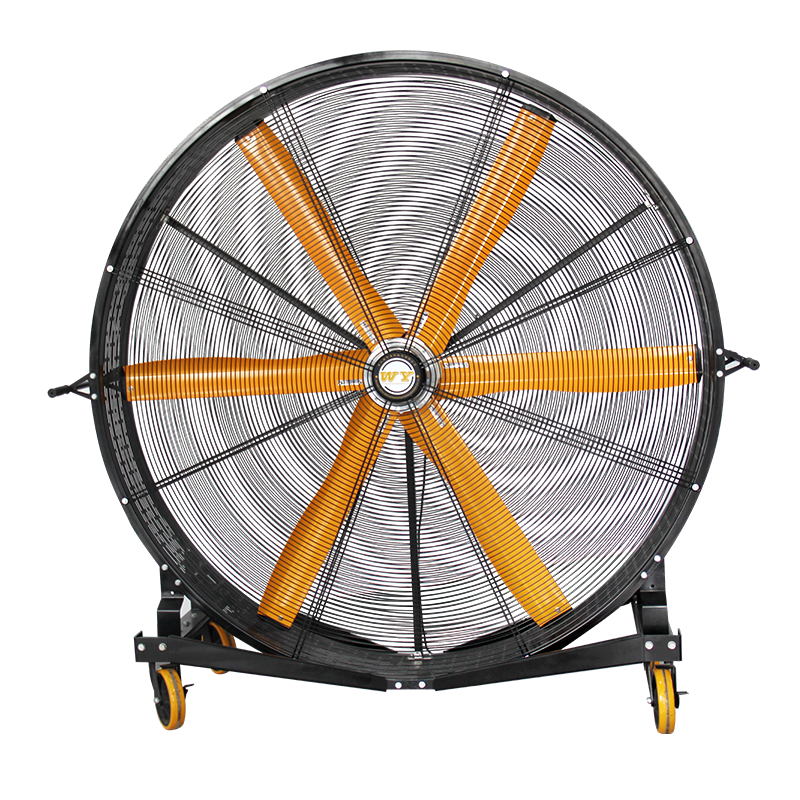
How Pedestal Fans Improve Thermal Comfort and Reduce Heat Stress
The science linking ambient temperature, airflow, and cognitive-motor performance
When the temperature goes up, our brains and bodies start to struggle. Studies show reaction times drop around 15% once temps hit over 30 degrees Celsius according to ASHRAE's findings from last year. Pedestal fans help fight this problem by moving air around which makes sweat evaporate faster, giving us a cooler feeling even if the actual temperature hasn't changed much. People report feeling several degrees cooler just from having good airflow. This helps keep the body's internal temperature steady so we don't get too hot inside, which is what causes trouble with focus and hand-eye coordination. Scientists have looked into this quite a bit and found that air moving at speeds between half a meter per second to 1.5 meters per second works best for keeping our thinking sharp during complicated work. These numbers come from various studies on how comfortable people feel in different environments.
Pedestal fan advantages over HVAC: targeted cooling, energy efficiency, and rapid deployment
Centralized HVAC systems tend to waste a lot of energy cooling whole buildings when really what's needed is just spot cooling where people actually work. That's where pedestal industrial fans come in handy. They blast air right where it matters most without wasting power on empty spaces. The energy savings are pretty impressive too these fans can cut down on electricity usage by around 90% compared to traditional HVAC setups, plus there's no need to install expensive ductwork throughout the facility. Take modern pedestal fans with those fancy DC brushless motors they run on between 15 and 45 watts, roughly the same amount as an old fashioned light bulb. This low power consumption makes running them all day every day totally affordable for businesses. What makes these fans so valuable is their ability to move around easily. Need extra cooling at the welding station? Just roll one over there. Same goes for assembly lines or other hot spots where regular HVAC systems simply can't provide adequate ventilation.
Managing airflow trade-offs: minimizing draft discomfort and turbulence in industrial zones
Effective pedestal fan deployment balances cooling benefits with worker comfort. Key strategies include:
- Positioning fans 2–3 meters from workstations at a 30° angle to create indirect, non-intrusive airflow
- Using variable speed controls to maintain air velocities below 1.0 m/s—the threshold at which papers displace and workers report discomfort (NIOSH 2023)
- Selecting oscillating models to distribute airflow evenly and prevent localized turbulence
As CDC guidelines confirm, this balanced approach reduces heat stress incidents by 27% while sustaining worker acceptance rates above 90%.
Measurable Impact of Pedestal Fans on Factory Productivity Metrics
OSHA & NIOSH 2022 findings: 12–19% reduction in heat-related absenteeism and errors after pedestal fan integration
Research from OSHA along with NIOSH indicates that placing pedestal fans strategically around factories actually boosts productivity. Looking at their fieldwork from 2022 in various manufacturing facilities, they noticed somewhere between 12% to almost 20% fewer days lost due to heat stress and fewer mistakes made by workers after installing these fans near areas where employees were most at risk. When workers aren't struggling with the heat anymore, they tend to stay focused through longer shifts. This helps cut down on expensive problems like production stoppages, close calls, and improper handling of machinery that happens when people get too hot and their thinking becomes impaired.
Tennessee automotive plant case study: 23% faster task completion with zone-specific pedestal fan placement
At a car manufacturing facility in Tennessee, workers started putting pedestal fans right where they were needed most - specifically around those hot spots like welding areas and paint booths. When temperatures rose during summer, shop floor productivity jumped by nearly a quarter. Supervisors noticed something interesting too: employees took fewer bathroom breaks due to fatigue, and there was about 17 percent less time lost because people needed water more often. The results really show that focusing on spot cooling makes better business sense than trying to cool entire buildings with standard HVAC systems. Not only does this approach save electricity costs, but it also keeps workers performing well exactly where the heat builds up the most on their skin.
Strategic Deployment of Pedestal Fans in Manufacturing Environments
Zone-based vs. uniform cooling: optimizing pedestal fan placement for high-heat workstations
Spreading fans evenly across factory floors just ends up wasting power and missing those spots where workers really struggle with heat. Instead, going with a zonal approach makes much more sense. Air gets directed exactly where people need it most around furnaces, casting stations, and anywhere machines give off serious heat radiation. Pedestal fans work great for this since they can be moved around and angled as needed. This targeted cooling keeps things comfortable at riskier workstations without blowing air all over the place, which tends to create annoying drafts or disrupt workflow. When we focus on cooling right next to heat sources, temperatures drop by about 3 to 5 degrees Celsius compared to trying to cool everything at once. Plus, there's less cable mess running everywhere, something that trips people up constantly. Matching our cooling efforts to where the real heat problems exist helps meet safety standards while saving money on operations too.
 ONLINE