 EN
EN
 AR
AR
 BG
BG
 HR
HR
 CS
CS
 NL
NL
 FI
FI
 FR
FR
 DE
DE
 EL
EL
 IT
IT
 KO
KO
 NO
NO
 PL
PL
 PT
PT
 RO
RO
 RU
RU
 ES
ES
 SV
SV
 ID
ID
 LT
LT
 SR
SR
 UK
UK
 VI
VI
 HU
HU
 TH
TH
 TR
TR
 FA
FA
 MS
MS
 HY
HY
 AZ
AZ
 KA
KA
 BN
BN
 LO
LO
 LA
LA
 NE
NE
 MY
MY
 KK
KK
 KY
KY

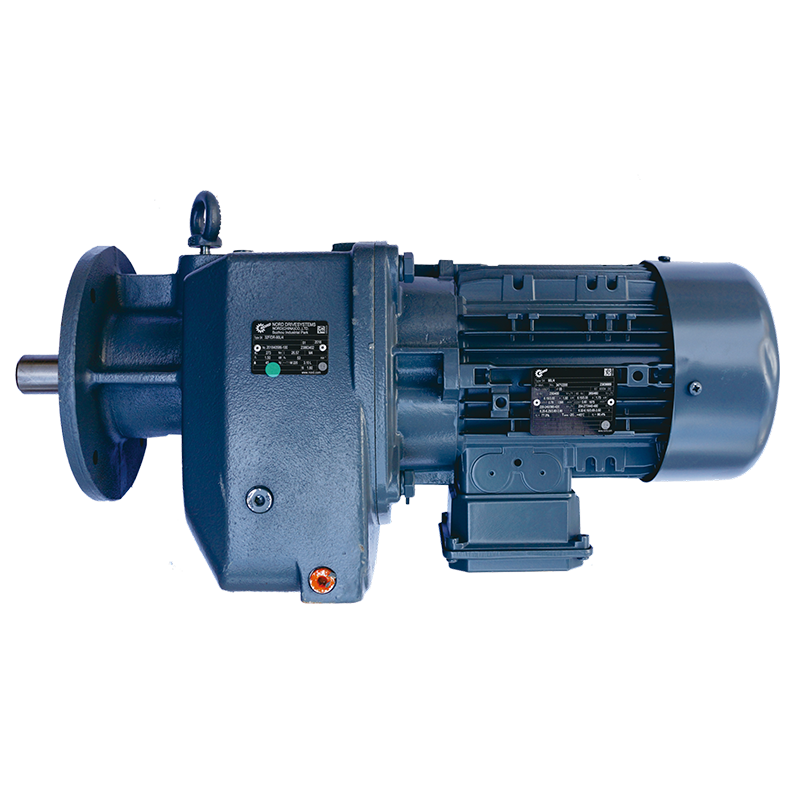
ทำความเข้าใจมาตรฐานประสิทธิภาพของมอเตอร์พัดลมอุตสาหกรรมและผลตอบแทนการลงทุน (ROI) จริงในภาคปฏิบัติ
IE3, IE4 และ IE5: ถอดรหัสระดับประสิทธิภาพ มิติเวลาของกฎระเบียบระดับโลก และผลกระทบต่อการจัดซื้อแบบ B2B
มาตรฐานประสิทธิภาพของมอเตอร์พัดลมอุตสาหกรรมสอดคล้องกับมาตรวัดที่เป็นไปในระดับโลก — ตั้งแต่ระดับพื้นฐาน IE2 ไปจนถึงระดับพรีเมียมสูงสุด IE5 ซึ่งกำหนดโดยมาตรฐาน IEC 60034-30-1 ประเทศเยอรมนี ญี่ปุ่น แคนาดา และส่วนใหญ่ของสหภาพยุโรปกำหนดให้ใช้มอเตอร์ระดับ IE3 สำหรับการติดตั้งใหม่ ขณะที่หลายประเทศในยุโรปกำลังทยอยบังคับใช้ข้อกำหนดระดับ IE4 ภายในปี พ.ศ. 2568 ผู้ผลิตชั้นนำได้ปรับปรุงรูปแบบการจัดเรียงแม่เหล็กและโครงสร้างขดลวดสเตเตอร์ในมอเตอร์ระดับ IE4 ทำให้มีความเสถียรทางความร้อนเหนือกว่าอย่างเด่นชัดภายใต้การใช้งานแบบต่อเนื่อง ผลที่ได้คือ มอเตอร์ระดับ IE4 ใช้พลังงานน้อยลงสูงสุดถึงร้อยละ 15 เมื่อเทียบกับมอเตอร์ระดับ IE3 ที่มีสมรรถนะเทียบเท่ากัน — ซึ่งผลลัพธ์นี้ได้รับการยืนยันแล้วจากงานวิจัยภาคสนามจริงในแอปพลิเคชันระบบปรับอากาศ (HVAC) และระบบระบายอากาศเพื่อการผลิต
ทีมจัดซื้อควรพิจารณาการเลือกคลาสประสิทธิภาพเป็นการตัดสินใจเชิงกลยุทธ์ ไม่ใช่เพียงแค่การตรวจสอบความสอดคล้องตามข้อกำหนดเท่านั้น ระยะเวลาที่หน่วยงานกำกับดูแลกำหนดกำลังเร่งรัดขึ้น และเขตอำนาจต่างๆ ให้แรงจูงใจเพิ่มขึ้นสำหรับการนำมอเตอร์ที่มีประสิทธิภาพสูงกว่ามาใช้งานก่อนเวลา เพื่อหลีกเลี่ยงการปรับปรุงใหม่อย่างกระทบกระเทือนต่อระบบ การเลือกคลาสที่เหมาะสมที่สุดขึ้นอยู่กับความเข้มข้นของรอบการทำงาน (duty cycle) และบริบทของการทำงานในสภาพแวดล้อมจริง — ไม่ใช่เพียงแค่ค่าระบุบนป้ายชื่อ (nameplate ratings) เท่านั้น
| คลาสมอเตอร์ | การเพิ่มขึ้นของต้นทุนพื้นฐาน | ระยะเวลาคืนทุน (ROI Period) | การใช้งานที่แนะนำ |
|---|---|---|---|
| IE3 | มาตรฐาน | 1–3 ปี | ระบายอากาศทั่วไป ปั๊มน้ำ |
| IE4 | +15–25% | 3–6 ปี | โรงหลอมโลหะ ระบบเตาเผา ระบบระบายไอเสียที่มีอุณหภูมิสูง |
| IE5 | +40–70% | 5–10 ปี | ห้องสะอาดแบบความแม่นยำสูง (precision cleanrooms) การทำความเย็นสำหรับกระบวนการสำคัญ |
สภาวะแวดล้อมโดยรอบมีอิทธิพลอย่างมากต่อการประหยัดพลังงานที่ได้จริง: มอเตอร์คลาส IE4 ให้ผลตอบแทนที่เหนือกว่าอย่างชัดเจนในสภาพแวดล้อมที่มีอุณหภูมิสูงหรือมีฝุ่นมาก โดยที่การลดลงของกำลังเนื่องจากความร้อน (thermal derating) ส่งผลกระทบเชิงลบต่อมอเตอร์ที่มีประสิทธิภาพต่ำกว่าอย่างไม่สมส่วน
การวิเคราะห์ต้นทุนตลอดอายุการใช้งาน: วิธีที่การเพิ่มประสิทธิภาพเพียง 5% ของมอเตอร์พัดลมอุตสาหกรรมสามารถลดต้นทุนรวม (TCO) ได้ถึง 20–35% ภายในระยะเวลา 10 ปี (พร้อมตรรกะเครื่องคำนวณผลตอบแทนจากการลงทุน (ROI) ที่ใช้งานได้ทันทีสำหรับภาคธุรกิจ)
ต้นทุนรวมตลอดอายุการใช้งาน (TCO) ของมอเตอร์พัดลมอุตสาหกรรมขึ้นอยู่กับการใช้พลังงานเป็นหลัก—ไม่ใช่ราคาซื้อเริ่มต้น มูลค่าเริ่มต้นของมอเตอร์คิดเป็นเพียง 5% ของ TCO ภายใน 10 ปี ในขณะที่ค่าไฟฟ้าคิดเป็น 70–80% ส่วนการบำรุงรักษาและการหยุดทำงานจะคิดเป็นส่วนที่เหลือ การปรับปรุงประสิทธิภาพของมอเตอร์ให้ดีขึ้น 5% ซึ่งยืนยันแล้วว่าสามารถทำได้จากการอัปเกรดจากมาตรฐาน IE3 เป็น IE4 จะช่วยลดการใช้พลังงานตลอดอายุการใช้งานลงอย่างมีนัยสำคัญ จนสามารถลด TCO รวมได้ถึง 20–35% ตามแบบจำลองวงจรชีวิตปี 2024 ที่จัดทำโดยกระทรวงพลังงานสหรัฐอเมริกาและคณะทำงานด้านการออกแบบเพื่อประหยัดพลังงานของสหภาพยุโรป (EU’s Ecodesign Working Group)
ผลลัพธ์นี้ขึ้นอยู่กับความเป็นจริงในการดำเนินงานสามประการ:
- การจับคู่กับรอบการทำงาน (Duty-cycle alignment) : มอเตอร์แทบไม่ทำงานที่โหลดเต็ม; ประสิทธิภาพที่โหลดบาง (part-load efficiency) จึงมีผลต่อการใช้พลังงานในโลกแห่งความเป็นจริงมากที่สุด
- อัตราค่าไฟฟ้าตามภูมิภาค : อัตราที่สูงกว่า (เช่น >€0.18/กิโลวัตต์-ชั่วโมง ในเยอรมนี หรือ >$0.15/กิโลวัตต์-ชั่วโมง ในแคลิฟอร์เนีย) จะทำให้ระยะเวลาคืนทุนสั้นลง
- การบูรณาการระบบ : การจับคู่อย่างเหมาะสมกับอุปกรณ์ควบคุมความเร็วมอเตอร์แบบเปลี่ยนความถี่ (VFDs) และระบบท่อระบายอากาศจะรักษาประสิทธิภาพที่เพิ่มขึ้นไว้ได้—การบูรณาการที่ไม่ดีอาจทำให้สูญเสียการประหยัดพลังงานเชิงทฤษฎีได้สูงสุดถึง 12%
การประเมินผลตอบแทนจากการลงทุน (ROI) ที่มีความแข็งแกร่งต้องใช้ข้อมูลนำเข้าเพียงสี่รายการเท่านั้น ได้แก่ อัตราค่าไฟฟ้าในพื้นที่ จำนวนชั่วโมงการใช้งานต่อปี ปัจจัยโหลดเฉลี่ย (ที่คำนวณได้จากโปรไฟล์รอบการทำงาน) และอายุการใช้งานของมอเตอร์ที่คาดการณ์ไว้ เครื่องมือคำนวณที่ตั้งค่าล่วงหน้าแล้ว—ซึ่งผ่านการตรวจสอบและรับรองตาม ASHRAE Guideline 44-2022—ช่วยให้ทีมจัดซื้อและทีมดูแลสถานที่สามารถสร้างแบบจำลองสถานการณ์ได้อย่างรวดเร็ว เพื่อให้การตัดสินใจลงทุนสอดคล้องกับเป้าหมายทางการเงินและเป้าหมายการลดการปล่อยก๊าซเรือนกระจก ขอบเขตที่ 1/2
เทคโนโลยีมอเตอร์พัดลมอุตสาหกรรมแบบ EC, AC และ DC เมื่อเปรียบเทียบกันสำหรับการใช้งานเชิงธุรกิจต่อธุรกิจ (B2B)
มอเตอร์แบบ EC: มีประสิทธิภาพสูงกว่าเมื่อทำงานที่โหลดบางส่วน มีระบบควบคุมในตัว และสามารถปรับขนาดได้เพื่อรองรับระบบระบายอากาศอัจฉริยะ
มอเตอร์แบบควบคุมด้วยอิเล็กทรอนิกส์ (EC) ผสานรวมมอเตอร์กระแสตรงแบบไม่มีแปรงถ่าน (brushless DC motor) เข้ากับอุปกรณ์อิเล็กทรอนิกส์ในตัว ทำให้มีประสิทธิภาพสูงถึง 80–90% ขึ้นไป แม้จะทำงานที่โหลดเพียง 25% — สูงกว่ามอเตอร์เหนี่ยวนำกระแสสลับ (AC induction motors) แบบมาตรฐานซึ่งมีประสิทธิภาพในภาวะโหลดบางส่วนอยู่ที่ 40–60% อย่างมาก ข้อได้เปรียบนี้เด่นชัดเป็นพิเศษในระบบปรับอากาศแบบปริมาตรอากาศแปรผัน (VAV) ระบบระบายความร้อนสำหรับศูนย์ข้อมูล และระบบระบายอากาศแบบควบคุมตามความต้องการ ซึ่งเป็นแอปพลิเคชันที่อัตราการไหลของอากาศเปลี่ยนแปลงทุกชั่วโมงหรือตามฤดูกาล
มอเตอร์แบบ EC รองรับสัญญาณควบคุมแบบแอนะล็อกโดยตรง (0–10 V) หรือแบบดิจิทัล (Modbus, BACnet) ซึ่งช่วยขจัดความจำเป็นในการใช้อุปกรณ์ควบคุมความเร็วมอเตอร์แบบตัวแปร (VFD) ภายนอก และลดความซับซ้อนของระบบรวมทั้งจุดที่อาจเกิดความล้มเหลว มอเตอร์แบบ EC ออกแบบแบบไม่มีแปรงถ่าน จึงไม่มีการสึกหรอของคอมมิวเทเตอร์และไม่ก่อให้เกิดฝุ่นคาร์บอน ส่งผลให้อายุการใช้งานยาวนานกว่า 50,000 ชั่วโมง และลดการบำรุงรักษาตามกำหนดได้สูงสุดถึง 60% ความสามารถในการปรับขนาด (Scalability) ถูกผสานไว้ในตัวแล้ว: พัดลมแบบ EC หลายตัวสามารถทำงานร่วมกันอย่างกลมกลืนผ่านระบบ CAN bus หรือ Ethernet ทำให้สามารถปรับแต่งประสิทธิภาพแบบรวมศูนย์ผ่านระบบจัดการอาคาร (BMS) แม้ต้นทุนเริ่มต้นจะสูงกว่าหน่วยมอเตอร์แบบ AC ที่เทียบเคียงกัน 20–35% แต่ผลการตรวจสอบจากบุคคลที่สามยืนยันอย่างสม่ำเสมอว่าสามารถประหยัดพลังงานตลอดอายุการใช้งานได้มากกว่า 30% — ซึ่งหมายความว่าสามารถคืนทุน (ROI) ได้ภายในห้าปีสำหรับการใช้งานที่มีรอบการทำงานปานกลางถึงสูง
ข้อจำกัดของมอเตอร์แบบ AC แบบเหนี่ยวนำ: การถูกปรับลดค่าแรงดันไฟฟ้า (Power factor penalties), การลดกำลังลงเนื่องจากความร้อน (thermal derating) ในสภาพแวดล้อมที่มีอุณหภูมิสูงหรือมีฝุ่นมาก และต้นทุนการดำเนินงานที่ซ่อนอยู่ (hidden OPEX costs)
มอเตอร์แบบกระแสสลับเหนี่ยวนำมาตรฐานโดยทั่วไปมีประสิทธิภาพสูงสุดอยู่ที่ร้อยละ 70–85 — และต่ำลงอย่างมากเมื่อทำงานที่โหลดบางส่วน นอกจากนี้ยังมีค่าแฟกเตอร์กำลังต่ำ (0.7–0.8) ซึ่งทำให้เกิดค่าธรรมเนียมเรียกเก็บตามความต้องการพลังงานจากบริษัทผู้ให้บริการไฟฟ้า และจำเป็นต้องติดตั้งชุดคอนเดนเซอร์ราคาแพงเพื่อปรับปรุงค่าดังกล่าว ในสภาพแวดล้อมที่มีอุณหภูมิสูง (>40°C) หรือมีฝุ่นมาก การลดกำลังงานเนื่องจากความร้อนจะบังคับให้เลือกมอเตอร์ที่มีขนาดใหญ่กว่าที่จำเป็น 10–15% เพื่อรักษาระดับกำลังขับออก ซึ่งยิ่งทำให้ประสิทธิภาพโดยรวมของระบบลดลงอีก
ค่าใช้จ่ายในการดำเนินงานที่ซ่อนอยู่ยิ่งทวีความเสียหายเหล่านี้ให้รุนแรงขึ้น: กระแสเริ่มจ่าย (inrush current) ที่สูงขึ้นทำให้อุปกรณ์ควบคุมวงจรและหม้อแปลงไฟฟ้าเกิดความเครียด; ความถี่ในการเปลี่ยนตลับลูกปืนเพิ่มขึ้นเป็นสองเท่าเมื่อเทียบกับมอเตอร์แบบ EC; และการขับเคลื่อนด้วยความเร็วคงที่มักจำเป็นต้องใช้วิธีการควบคุมการไหลของอากาศที่ไม่มีประสิทธิภาพ เช่น การปิดกั้น (dampers) หรือแผ่นควบคุมการไหล (vanes) เมื่อพิจารณาปัจจัยทั้งหมด ได้แก่ ค่าพลังงาน ค่าบำรุงรักษา ค่าปรับ และการสึกหรอของโครงสร้างพื้นฐาน ตลอดระยะเวลา 10 ปี ผลการศึกษาวิเคราะห์วงจรชีวิต (lifecycle study) ปี 2023 ที่ตีพิมพ์ใน HVAC&R Research .
การเลือกขนาดมอเตอร์พัดลมอุตสาหกรรมอย่างแม่นยำ: การจับคู่กำลังมอเตอร์กับข้อกำหนดด้านประสิทธิภาพของระบบ
การเลือกมอเตอร์พัดลมอุตสาหกรรมที่เหมาะสมนั้นต้องอาศัยความเข้าใจในระดับระบบโดยรวม — ไม่ใช่เพียงแค่กำลังขับ (horsepower) ที่ระบุบนป้ายชื่อผลิตภัณฑ์เท่านั้น ผู้ซื้อ B2B จำนวนมากเข้าใจผิดโดยใช้จุดประสิทธิภาพสูงสุด (Best Efficiency Point: BEP) ของพัดลมเป็นเกณฑ์เดียวในการเลือกขนาดมอเตอร์ วิธีนี้เสี่ยงต่อการเลือกมอเตอร์ที่มีขนาดใหญ่เกินความจำเป็นถึง 20–50% เนื่องจาก BEP สะท้อนเงื่อนไขในห้องปฏิบัติการที่สมบูรณ์แบบ — ไม่ใช่สภาวะจริงในสนาม เช่น แรงดันสถิต (static pressure) ที่เกิดขึ้นจริง การสูญเสียจากท่อระบายอากาศ (duct losses) หรือความต้องการการไหลของอากาศแบบไดนามิก (dynamic airflow demand)
หลีกเลี่ยงการเลือกมอเตอร์ที่มีขนาดใหญ่เกินความจำเป็น: เหตุใดข้อมูลจากป้ายชื่อพัดลมที่อ้างอิงจาก BEP จึงทำให้การเลือกมอเตอร์คลาดเคลื่อน — และเหตุใดจึงควรใช้กราฟแสดงสมรรถนะของระบบ (System Curves) ร่วมกับการวิเคราะห์รูปแบบการใช้งานจริง (Duty-Cycle Profiling) แทน
กราฟแสดงสมรรถนะของพัดลม (Fan curves) แสดงประสิทธิภาพภายใต้ความเร็วคงที่และแรงต้านคงที่ — แต่ระบบจริงกลับมีแรงต้านที่เปลี่ยนแปลงได้ (เช่น การสะสมฝุ่นในไส้กรอง ตำแหน่งของแผ่นควบคุมการไหลอากาศ (damper) หรือการเปลี่ยนแปลงของแรงดันสถิตตามฤดูกาล) การพึ่งพาเพียง BEP อย่างเดียวจะนำไปสู่การเลือกมอเตอร์ที่ส่วนใหญ่ใช้งานอยู่ภายใต้โหลดที่ต่ำกว่าค่าที่ระบุไว้มาก — ซึ่งทำให้ประสิทธิภาพลดลงอย่างมาก และกระแสปฏิกิริยา (reactive current) เพิ่มสูงขึ้น ส่งผลให้เกิดความร้อนสะสม ความสูญเสียเพิ่มขึ้น และความเครียดต่อขดลวดมอเตอร์
วิธีที่ถูกต้องเริ่มต้นด้วย เส้นโค้งของระบบ , ที่ได้มาจากการวัดความดันสถิตเทียบกับอัตราการไหลเชิงปริมาตรผ่านเครือข่ายท่อที่ติดตั้งไว้จริง นำเส้นโค้งนี้มาซ้อนทับกับจุดการทำงานจริงของพัดลม—ซึ่งบันทึกไว้ผ่านการวิเคราะห์รอบการทำงาน (duty-cycle profiling) ตลอดช่วงเวลาตัวแทน 72 ชั่วโมง—เพื่อระบุค่า ความต้องการกำลังไฟฟ้าเฉลี่ยแบบถ่วงน้ำหนัก . ตัวอย่างเช่น พัดลมที่มีกำลังสูงสุด 12 กิโลวัตต์ แต่ใช้กำลังเฉลี่ยเพียง 6 กิโลวัตต์ในช่วงกะทำงาน 8 ชั่วโมง จะทำงานได้อย่างมีประสิทธิภาพและเชื่อถือได้มากกว่าเมื่อใช้มอเตอร์ขนาดเหมาะสมที่ 7.5 กิโลวัตต์ แทนมอเตอร์ขนาดใหญ่เกินไปที่ 15 กิโลวัตต์ แนวทางนี้ช่วยลดต้นทุนการลงทุนได้ประมาณ 30% และเพิ่มประสิทธิภาพในการทำงานที่โหลดบาง (part-load efficiency) ได้ 5–8 จุดเปอร์เซ็นต์
ควรขอเอกสารเส้นโค้งของระบบจากผู้จัดจำหน่ายพัดลมเสมอ—และตรวจสอบความถูกต้องด้วยการวัดความดันและอัตราการไหลของอากาศจริงในสถานที่ก่อนกำหนดรายละเอียดมอเตอร์ขั้นสุดท้าย
ส่วน FAQ
ความแตกต่างระหว่างระดับประสิทธิภาพของมอเตอร์ IE3, IE4 และ IE5 คืออะไร?
มอเตอร์มาตรฐาน IE3 มีประสิทธิภาพระดับมาตรฐาน มอเตอร์ IE4 มีประสิทธิภาพสูง (ใช้พลังงานน้อยลงสูงสุดถึง 15% เมื่อเทียบกับมอเตอร์ IE3) และมอเตอร์ IE5 นั้นมีประสิทธิภาพระดับพรีเมียมสูงสุด ออกแบบมาเพื่อการใช้งานที่ต้องการความแม่นยำและประสิทธิภาพที่สำคัญยิ่ง
ประสิทธิภาพของมอเตอร์ส่งผลต่อต้นทุนรวมในการเป็นเจ้าของ (TCO) อย่างไร
ประสิทธิภาพของมอเตอร์มีผลกระทบอย่างมากต่อการใช้พลังงาน ซึ่งคิดเป็นสัดส่วน 70–80% ของต้นทุนรวมในการเป็นเจ้าของ (TCO) ภายในระยะเวลา 10 ปี ดังนั้น การเลือกมอเตอร์ที่มีประสิทธิภาพสูงขึ้นจึงสามารถลด TCO ได้ถึง 20–35%
เหตุใดมอเตอร์ EC จึงมีประสิทธิภาพสูงกว่ามอเตอร์ AC
มอเตอร์ EC มีประสิทธิภาพสูงในสภาวะโหลดบาง (80–90% แม้ในขณะที่โหลดเพียง 25%) สามารถผสานระบบควบคุมเข้าด้วยกันเพื่อลดความซับซ้อนของระบบทั้งหมด และมีอายุการใช้งานยาวนานขึ้นเนื่องจากออกแบบแบบไม่มีแปรงถ่าน (brushless)
ควรเลือกมอเตอร์ IE4 แทนมอเตอร์ IE3 ในกรณีใด
มอเตอร์ IE4 เหมาะสมอย่างยิ่งสำหรับสภาพแวดล้อมที่มีอุณหภูมิสูงหรือมีฝุ่นมาก ซึ่งอาจทำให้มอเตอร์ที่มีประสิทธิภาพต่ำกว่าเกิดการลดกำลังลงจากความร้อน (thermal derating) นอกจากนี้ ยังเหมาะสำหรับการใช้งานที่ให้ความสำคัญกับการประหยัดพลังงานในระยะยาว แม้ว่าจะมีต้นทุนเริ่มต้นสูงกว่าก็ตาม
สารบัญ
-
ทำความเข้าใจมาตรฐานประสิทธิภาพของมอเตอร์พัดลมอุตสาหกรรมและผลตอบแทนการลงทุน (ROI) จริงในภาคปฏิบัติ
- IE3, IE4 และ IE5: ถอดรหัสระดับประสิทธิภาพ มิติเวลาของกฎระเบียบระดับโลก และผลกระทบต่อการจัดซื้อแบบ B2B
- การวิเคราะห์ต้นทุนตลอดอายุการใช้งาน: วิธีที่การเพิ่มประสิทธิภาพเพียง 5% ของมอเตอร์พัดลมอุตสาหกรรมสามารถลดต้นทุนรวม (TCO) ได้ถึง 20–35% ภายในระยะเวลา 10 ปี (พร้อมตรรกะเครื่องคำนวณผลตอบแทนจากการลงทุน (ROI) ที่ใช้งานได้ทันทีสำหรับภาคธุรกิจ)
-
เทคโนโลยีมอเตอร์พัดลมอุตสาหกรรมแบบ EC, AC และ DC เมื่อเปรียบเทียบกันสำหรับการใช้งานเชิงธุรกิจต่อธุรกิจ (B2B)
- มอเตอร์แบบ EC: มีประสิทธิภาพสูงกว่าเมื่อทำงานที่โหลดบางส่วน มีระบบควบคุมในตัว และสามารถปรับขนาดได้เพื่อรองรับระบบระบายอากาศอัจฉริยะ
- ข้อจำกัดของมอเตอร์แบบ AC แบบเหนี่ยวนำ: การถูกปรับลดค่าแรงดันไฟฟ้า (Power factor penalties), การลดกำลังลงเนื่องจากความร้อน (thermal derating) ในสภาพแวดล้อมที่มีอุณหภูมิสูงหรือมีฝุ่นมาก และต้นทุนการดำเนินงานที่ซ่อนอยู่ (hidden OPEX costs)
- การเลือกขนาดมอเตอร์พัดลมอุตสาหกรรมอย่างแม่นยำ: การจับคู่กำลังมอเตอร์กับข้อกำหนดด้านประสิทธิภาพของระบบ
- ส่วน FAQ
 ออนไลน์